
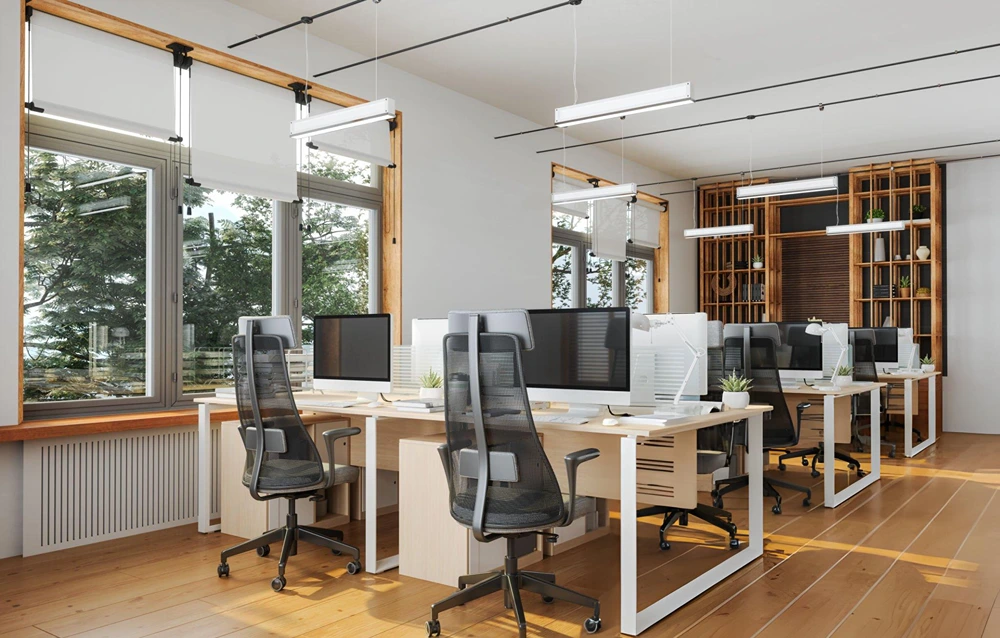
Office Blinds: Stylish Solutions for Every Workspace
Is your office space drab and uninspiring? Transform it with stylish office blinds that blend form and function seamlessly. Office blinds can revolutionise your workspace, creating an environment that is not only visually appealing but also practical. With a variety of options like Venetian, Vertical, and Roller blinds, there is a perfect style to meet your needs. For those looking to extend their design sensibilities beyond the office, exploring living room blinds ideas can provide inspiration for creating cohesive and stylish home environments. Just as office blinds can revolutionize a workspace, the right living room blinds can transform your home into a sanctuary of comfort and style. In this guide, Casa Blinds will take you through the different types of office blinds, helping you find the ideal solution that enhances both aesthetic appeal and workplace efficiency.

Types of Office Blinds: A Comprehensive Guide
Choosing the right type of blinds for an office is crucial for creating a functional and aesthetically pleasing workspace. The ideal office blinds should offer effective light control, privacy, and complement the interior design. High-quality, made-to-measure designs can transform any office into a professional and stylish environment. Office blinds come in many varieties, including moisture-resistant, PVC, and vinyl options, ensuring durability and easy maintenance. These blinds are available in a wide range of colours, textures, and finishes, making it easier to find a solution that suits any office decor.
Specific Types of Office Blinds:
- Venetian Blinds: Available in aluminium, real wood, and faux wood, providing a classic look with adjustable slats for light control.
- Vertical Blinds: Ideal for large windows and sliding doors, offering excellent light control and a sleek appearance.
- Roller Blinds: Simple and versatile, these blinds can be customised with various fabrics, including blackout materials for total light exclusion.
- Blackout Blinds: Perfect for rooms that require complete darkness, enhancing privacy and reducing glare.
- Day & Night Blinds: Combining sheer and opaque fabrics, these blinds allow for flexible light control and privacy.
Venetian blinds are highly durable, made from premium aluminium or wood, and offer precise light control by adjusting the slats. Vertical blinds are particularly suited for large office windows, providing both functionality and a modern aesthetic. Roller blinds are versatile and can be tailored to match the office’s decor, with options for blackout fabrics to eliminate light intrusion.
When considering which type of blind to choose, it’s important to balance aesthetics with functionality. Blackout blinds are ideal for conference rooms that need complete darkness for presentations, while day & night blinds offer flexibility for spaces that require varying levels of light and privacy. Each type of blind comes with its own set of benefits, ensuring there’s a perfect option for every office setting.
Benefits of Office Blinds for Workspaces
Office blinds offer numerous benefits that can significantly enhance any workspace. They provide glare-free natural light, which is essential for reducing eye strain and improving productivity. In addition, office window blinds enhance privacy and security, making it easier to protect sensitive information. The thermal properties of commercial office blinds help in regulating room temperature, which can lead to reduced energy costs.
| Benefit | Description |
|---|---|
| Glare-Free Natural Light | Reduces eye strain and improves productivity by diffusing sunlight. |
| Enhanced Privacy and Security | Maintains privacy while allowing daylight to enter, protecting sensitive information. |
| Thermal Properties | Helps regulate room temperature, contributing to energy efficiency. |
| Reduced Energy Costs | Minimises the need for artificial lighting and temperature control. |
These benefits collectively improve workspace functionality by creating a more comfortable and efficient environment. Additionally, noise-reducing blinds can further enhance the office atmosphere by minimizing external noise distractions. This is particularly beneficial in open-plan offices or urban settings where noise pollution can be a significant concern. By incorporating noise-reducing blinds, you can ensure a quieter, more focused work environment, which can lead to increased productivity and employee satisfaction. By controlling light intensity and direction, office blinds allow for a well-lit, private, and thermally regulated workspace, which is essential for maintaining an optimal working atmosphere.

How to Choose the Best Office Blinds
Selecting the best blinds for an office requires a careful balance of functionality and aesthetics. Office blinds must not only complement the interior design but also provide effective light control, privacy, and energy efficiency. Functional considerations include the type of material, ease of operation, and the specific needs of the workspace, such as reducing glare on computer screens or ensuring privacy in meeting rooms. Aesthetically, the blinds should match the office’s colour scheme and style, whether it be modern, traditional, or somewhere in between.
Tips for Choosing the Right Blinds:
- Material Selection: Opt for durable materials like faux wood, real wood, or aluminium for longevity and easy maintenance.
- Light Control: Choose blinds that offer adjustable slats or layers to control light intensity and direction effectively.
- Privacy Needs: For high-privacy areas, consider blackout or double-layered blinds that provide complete privacy when needed.
- Ease of Operation: Look for blinds that are easy to operate, such as motorised options or those with simple pull mechanisms.
- Aesthetic Fit: Select colours and styles that complement the office decor to create a cohesive look.
Cost considerations are also vital when choosing office blinds. Customers can save up to 50% on various options, including faux wood, real wood, and wood-effect blinds, making them an affordable choice for many businesses. It’s important to weigh the initial investment against the long-term benefits of durability and energy efficiency.
Accurate measurement is crucial for a perfect fit. MeasureSure Cover is available for confident measuring, ensuring that the blinds are custom-made to fit the windows precisely. This not only enhances the appearance but also improves the functionality of the blinds. Ensuring accurate measurements can prevent unnecessary returns and adjustments, saving both time and money.
Modern Office Blinds: Design Trends and Styles
In modern office settings, the design of window treatments is pivotal for creating a professional and inviting atmosphere. High-quality blackout materials, luxurious fabrics, and a variety of styles and colours can transform any workspace into a stylish and functional environment. Blinds that combine classic elegance with practicality are a popular choice for contemporary offices.
Current Trends and Styles:
- High-Quality Blackout Materials: Ideal for conference rooms and areas requiring complete darkness.
- Soft-Touch Fabrics: Luxurious materials that add a premium feel to the office.
- Day & Night Blinds: Offer flexible light control with a combination of sheer and opaque fabrics.
- Natural Wood and Faux Wood: Provide a warm, sophisticated look with durability.
- Motorised Blinds: Enhance convenience with remote control operation and smart home integration.
These design trends can significantly enhance the office environment by offering both aesthetic appeal and functional benefits. High-quality blackout materials ensure better light control, while soft-touch fabrics add a touch of luxury. Day & night blinds provide versatility in managing light and privacy, and natural wood options bring a touch of nature indoors. Motorised blinds offer the ultimate in convenience and modern technology, making them a practical choice for any office. For those looking to integrate even more advanced technology, smart blinds provide an innovative solution. These blinds can be controlled remotely via smartphones or integrated with smart home systems, allowing for automated adjustments based on time of day or sunlight levels. This not only enhances convenience but also contributes to energy efficiency by optimizing natural light usage throughout the day. By incorporating these trends, businesses can create a stylish, comfortable, and efficient workspace.
Installation and Maintenance of Office Blinds
Installing office blinds can be a straightforward process, particularly with modern designs that require no drilling or screws. Easy-to-fit blinds can be installed in minutes, making them a convenient option for any workspace. Detailed guides are available for various types of blinds, including blackout curtains, electric blinds, and the best blinds for conservatories. Whether you are looking to enhance your office or your conservatory, understanding the unique requirements of each space is essential. Conservatories, much like offices, benefit from blinds that offer excellent light control and thermal efficiency, ensuring a comfortable environment all year round. These guides ensure that even those with minimal DIY experience can achieve a professional finish. For bifold doors, no-drill blinds are particularly advantageous, providing a seamless installation experience. Blinds made in the UK can be ordered directly from the factory, ensuring high quality and quick delivery.
Tips for Maintaining Office Blinds:
- Regular Cleaning: Dust and wipe down blinds regularly to prevent buildup and maintain their appearance.
- Check Mechanisms: Periodically check the operating mechanisms for wear and tear to ensure smooth functioning.
- Avoid Harsh Cleaners: Use gentle cleaning solutions to avoid damaging the material or finish of the blinds.
- Inspect for Damage: Regularly inspect blinds for any signs of damage or wear and replace parts as needed.
- Proper Use: Operate blinds gently to prolong their lifespan and avoid unnecessary strain on the mechanisms.
Blinds often come with a 3-year guarantee, providing peace of mind for any potential issues that may arise. A good warranty covers defects in materials or workmanship, ensuring that the investment is protected. When ordering blinds, it’s beneficial to choose products made in the UK, as this often means faster delivery times and stringent quality control.
Ordering directly from the factory can also be advantageous. Direct orders eliminate middlemen, often resulting in better prices and the ability to customise orders to specific requirements. Detailed guides and support are usually available, making the process of selecting and installing office blinds as smooth as possible. This ensures that the office environment remains both functional and stylish.

Office Blinds for Different Needs: Privacy, Light Control, and Aesthetics
Office blinds play a crucial role in creating a productive and comfortable workspace by catering to specific needs such as privacy, light control, and aesthetics. Blinds that can control light intensity and direction are essential for reducing glare on screens and ensuring a well-lit environment. Privacy is another critical aspect, especially in offices where sensitive information is handled. Additionally, the aesthetic appeal of the blinds can enhance the overall look and feel of the workspace, making it a more inviting place to work. Durable, waterproof materials ensure that these blinds are not only functional but also long-lasting.
Types of Blinds for Different Needs:
- Office Privacy Blinds: These blinds are designed to provide complete privacy while allowing natural light to filter through. They are ideal for conference rooms and private offices.
- Blackout Roller Blinds: Perfect for rooms requiring total darkness, such as meeting rooms with projectors. They help eliminate light penetration and improve focus.
- Solar Shades: These shades reduce glare and UV exposure without blocking the view, making them excellent for offices with large windows.
- Roller Shades: Simple and versatile, roller shades can be customised with various fabrics to suit different light control needs and aesthetic preferences.
- Two-Layered Shades: Combining sheer and opaque fabrics, these shades offer flexible light control and privacy, ideal for dynamic office environments.
Balancing privacy, light control, and aesthetics is essential in creating an optimal office environment. Privacy blinds ensure that confidential conversations and information remain protected while allowing for a bright and airy atmosphere. Blackout roller blinds are indispensable for rooms that need complete darkness, such as those used for presentations or video conferencing. Solar shades strike a balance between maintaining external views and reducing glare, contributing to a comfortable work setting.
Aesthetically, the choice of blinds can significantly influence the office’s visual appeal. Roller shades and two-layered shades can be tailored to match the office decor, adding a touch of elegance and functionality. By carefully selecting the right type of blinds, businesses can create a workspace that is both visually appealing and highly functional, catering to diverse needs effectively.
Final Words
Office blinds come in various types, from Venetian to Roller, offering both functional and aesthetic benefits. Choosing the right blinds can enhance light control, privacy, and style in your workspace.
With the right office blinds, you can transform your office into a more comfortable and efficient environment. Whether it’s improved light management or added privacy, office blinds are a valuable addition.
Remember to consider your specific needs, and don’t hesitate to invest in high-quality office blinds to boost your office aesthetics and functionality.
FAQ
Which blinds are best for office?
Blinds best for offices include Venetian, Vertical, Roller, and Blackout blinds. Each offers specific benefits like light control, privacy, and ease of maintenance.
What are office blinds called?
Office blinds are commonly known as Venetian, Vertical, Roller, or Blackout blinds. These names refer to their structure and functional capabilities.
Why are blinds being discontinued?
Blinds may be discontinued due to changes in demand, newer models becoming available, or suppliers shifting their product focus. Check with suppliers for specific reasons.
How to choose blinds for office?
Choose office blinds by considering light control, privacy, design, and durability. Measure accurately and select materials that suit both aesthetics and functionality of the workspace.
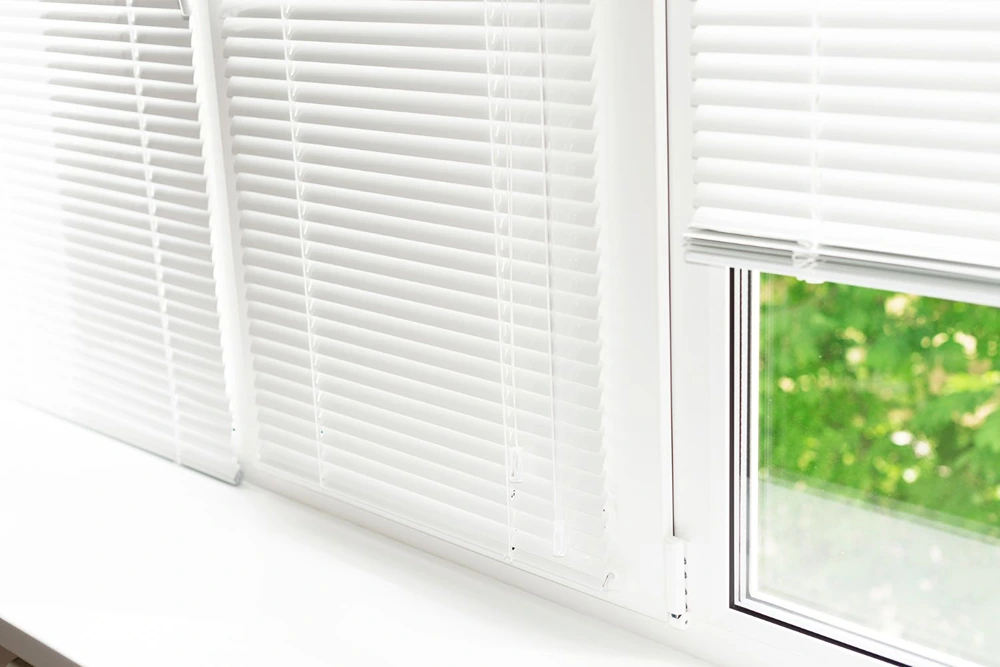
Venetian Blinds: Elegant Choices for Every Home
Struggling to find the perfect balance between style, privacy, and light control for your home? Venetian blinds offer an elegant solution that ticks all the boxes. These versatile window treatments feature horizontal slats, which can be tilted for precise light and privacy management. Available in materials like aluminium, wood, and faux wood, Venetian blinds cater to a range of tastes and budgets. In this blog post, Casa Blinds owner Marco offers a guided tour through the essentials of Venetian blinds, ensuring homeowners select the right fit for their interiors. If you are also considering other types of window treatments, you might find our guide on choosing the perfect roller blinds helpful. Roller blinds offer a different aesthetic and functionality, making them another excellent option for your home.

Understanding Venetian Blinds
Venetian blinds are constructed from horizontal slats that can be tilted to control light and privacy levels. The slats are typically connected by cords or fabric tapes, allowing for easy adjustment. This design enables users to precisely manage the amount of light entering a room and maintain privacy. Venetian blinds are versatile, suiting various window sizes and shapes, making them a popular choice for both residential and commercial spaces. For instance, if you have French doors, you might want to explore our selection of blinds for french doors. These are specifically designed to fit the unique dimensions and style of French doors, ensuring that you achieve both functionality and aesthetic appeal. Just like Venetian blinds, they offer excellent light control and privacy, enhancing the overall ambiance of your home. For those with unique window shapes, such as bay windows, you may want to explore our selection of bay window blinds. These blinds are specifically designed to fit the angles and curves of bay windows, providing a seamless and stylish solution.
Venetian blinds come in several materials, each offering unique benefits. Aluminium blinds are known for their durability and sleek appearance, making them ideal for modern interiors. Wooden blinds provide a warm, natural look and are available in various stains and finishes. Faux wood blinds offer the aesthetic of real wood but are more affordable and moisture-resistant, making them suitable for bathrooms and kitchens. Prices for Venetian blinds can range from $20 to $200 depending on the size, material, and brand, ensuring options for every budget.
- Aluminium
- Wood
- Faux wood
- PVC
- Composite materials
Types of Venetian Blinds
Choosing the right type of Venetian blind is crucial for achieving the desired aesthetic and functionality in a space. The material of the blinds not only affects their appearance but also their durability, maintenance, and cost. Here are the main types of Venetian blinds to consider:
Wooden Venetian Blinds
Wooden Venetian blinds offer a classic and warm appearance, making them a popular choice for traditional and contemporary interiors alike. Available in various wood stains and finishes, these blinds can complement a wide range of decor styles. Darker stains like walnut and mahogany provide a rich, luxurious feel, while lighter finishes such as oak and pine create a more casual, airy atmosphere. The natural grain and texture of wood add depth and character to any room, making wooden blinds a timeless option.
Aluminium Venetian Blinds
Aluminium Venetian blinds are known for their sleek, modern look and exceptional durability. They are available in a wide range of colours, including Mocca, Mirano, Mink, and more, allowing for versatile design possibilities. Aluminium is resistant to moisture and humidity, making these blinds an excellent choice for bathrooms and kitchens. Their lightweight nature also allows for smooth operation and easy installation. In addition, aluminium blinds are low-maintenance and can withstand daily wear and tear, ensuring longevity.
Faux Wood Venetian Blinds
Faux wood Venetian blinds offer the aesthetic appeal of real wood at a more affordable price point. Starting from £8.00, they come in a variety of colours, including Pristine White and Pigeon. These blinds are made from PVC or composite materials that mimic the look of natural wood but are more resistant to moisture and warping. Faux wood blinds are an ideal option for areas with high humidity, such as bathrooms and kitchens. They provide a durable and cost-effective alternative to real wood, making them a practical choice for any home. If you are looking for an alternative to Venetian blinds, consider our range of vertical blinds. Vertical blinds are ideal for large windows and sliding doors, offering excellent light control and a modern look.
| Type | Material |
|---|---|
| Wooden | Wood |
| Aluminium | Aluminium |
| Faux Wood | PVC or Composite |

Custom and Made-to-Measure Venetian Blinds
Handcrafted, made-to-measure Venetian blinds offer bespoke solutions for any window size or shape. Options include solid wood and aluminium, ensuring a perfect fit and match for your interior design. These blinds are all handmade in the UK, guaranteeing exceptional quality. A key feature is the 3-year guarantee, providing peace of mind regarding the product’s durability. Additionally, these custom blinds are certified child-safe by design, making them a safe choice for homes with young children.
Customisation offers several benefits beyond a tailored fit. The ability to choose materials, colours, and finishes ensures that the blinds complement the room’s aesthetic perfectly.
Custom-made Venetian blinds also provide enhanced functionality, allowing for precise control over light and privacy. The durability of high-quality materials means lower maintenance and a longer lifespan, making this a worthwhile investment. Lastly, the child-safe certification ensures that your home remains secure for the youngest members of the family.
- Perfect fit for any window size or shape
- Wide range of materials, colours, and finishes
- Enhanced functionality with precise light and privacy control
- Certified child-safe for added security
Installation Methods for Venetian Blinds
Inside Mount Method
The inside mount method involves installing Venetian blinds within the window frame. This method offers a clean and streamlined look, as the blinds fit snugly inside the window recess. One of the primary benefits of the inside mount is that it maximises the amount of natural light entering the room when the blinds are fully raised. Additionally, this method is ideal for windows with decorative trim or moulding, as it maintains the architectural details. Inside mounts are also less likely to interfere with other window treatments such as curtains or drapes.
Outside Mount Method
The outside mount method involves attaching the Venetian blinds to the wall or window frame outside the window recess. This installation method is particularly suitable for windows with shallow recesses or irregular shapes. The outside mount can create the illusion of larger windows by extending the blinds beyond the actual window frame. It also provides better light blockage and privacy, as there are no gaps between the blinds and the window frame. This method is often used in rooms where complete darkness is desired, such as bedrooms or media rooms.
Ceiling Mount Method
Ceiling mount installation entails fixing the Venetian blinds to the ceiling, making it an excellent choice for rooms with tall or floor-to-ceiling windows. This method is also useful for covering large expanses of glass or sliding doors. Ceiling mounts provide a dramatic and modern look, allowing the blinds to be drawn completely out of the way, offering unobstructed views. It is essential to ensure that the ceiling surface can support the weight of the blinds for a secure installation.
- Inside Mount: Measure the width and height of the window recess, drill mounting brackets inside the recess, and attach the blinds.
- Outside Mount: Measure the width and height of the area outside the window frame, drill brackets into the wall or window frame, and attach the blinds.
- Ceiling Mount: Measure the distance from the ceiling to the desired length of the blinds, drill brackets into the ceiling, and attach the blinds.
Maintenance Tips for Venetian Blinds
Regular dusting is essential for keeping Venetian blinds in good condition. Dust can accumulate on the slats, diminishing their appearance and potentially causing operational issues over time. Use a soft cloth or a duster to clean the slats weekly. For more thorough cleaning, a vacuum cleaner with a brush attachment can be effective. This basic maintenance helps to prevent the build-up of dirt and allergens, ensuring that the blinds remain functional and aesthetically pleasing.
Occasional deep cleaning is necessary to handle stubborn stains or grime that regular dusting cannot remove. A damp cloth or sponge with mild detergent can be used to wipe down each slat. Be careful not to oversaturate the cloth, as excessive moisture can damage certain materials like wood. For faux wood and aluminium blinds, a slightly wetter cloth can be used without concern. Always dry the slats thoroughly after cleaning to prevent water spots or potential swelling of wooden blinds.
- Dust the slats weekly with a soft cloth or duster.
- Use a vacuum cleaner with a brush attachment for deeper dust removal.
- Wipe down slats occasionally with a damp cloth and mild detergent.
- Avoid excessive moisture, especially on wooden blinds.
- Dry the slats thoroughly after cleaning to prevent water damage.

Popular Brands and Reviews of Venetian Blinds
Popular brands of Venetian blinds in the UK include John Lewis and Argos, among others. John Lewis offers a wide range of high-quality blinds, known for their stylish designs and reliable performance. Argos is another well-regarded brand, providing a variety of affordable options that cater to different tastes and budgets. Both brands have established a strong presence in the market, making them go-to choices for many homeowners.
Customer reviews for these brands often highlight several key aspects. Durability is a common point of praise, with many users noting that the blinds withstand daily use without signs of wear and tear. Ease of installation is another frequently mentioned benefit, with customers appreciating the straightforward setup process. Aesthetic appeal also receives positive feedback, as the blinds effectively enhance the look of various interior styles. These reviews often help potential buyers make informed decisions based on the experiences of others.
Brand reputation and customer satisfaction play crucial roles in the popularity of Venetian blinds. A strong brand reputation often correlates with high-quality products and reliable customer service. Satisfied customers are more likely to recommend the brand to others, further solidifying its market position. In addition, brands with positive reviews tend to attract repeat customers, contributing to long-term success. Therefore, considering both brand reputation and customer satisfaction is essential when choosing Venetian blinds.
- High durability for long-lasting use
- Easy installation process
- Attractive designs that complement various interiors
- Reliable customer service and support
Final Words
Venetian blinds offer both functionality and style, making them a popular choice for homeowners. This article discussed their basic construction, material options, and price ranges. It also examined different types like wooden, aluminium, and faux wood Venetian blinds, complete with a summarising table.
The benefits of custom and made-to-measure blinds were highlighted, alongside the importance of proper installation methods. Practical maintenance tips and an overview of popular brands and customer reviews provided additional insights.
Venetian blinds are versatile, durable, and an excellent choice to enhance home interiors while offering practical benefits.
FAQ
What are Venetian blinds?
Venetian blinds are horizontal slats that tilt to control light and privacy levels. They are available in materials like aluminium, wood, and faux wood.
What is the difference between blinds and Venetian blinds?
Blinds refer to a category of window coverings including various styles. Venetian blinds specifically have horizontal slats adjustable to control light.
Why are they called Venetian blinds?
They are called Venetian blinds as they were first developed in Venice, Italy, and popularised by Venetian traders.
How much do Venetian blinds cost in the UK?
Venetian blinds in the UK can range from £15 to £160, depending on material, size, and brand.
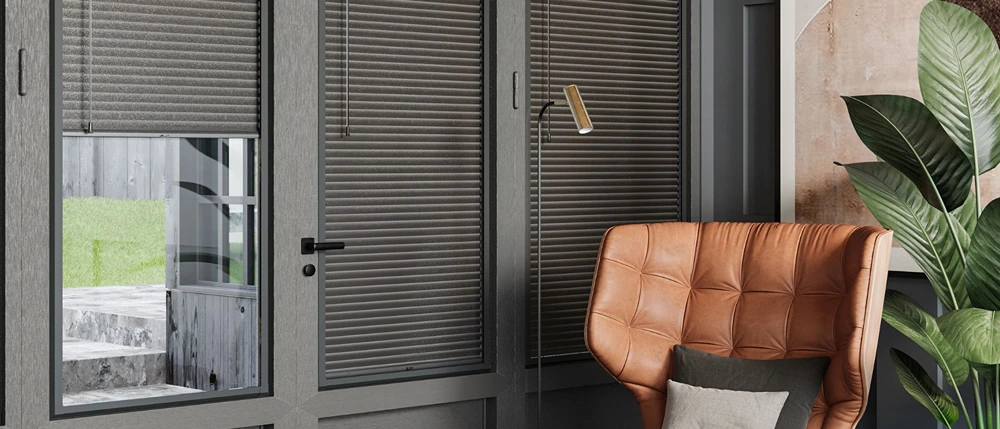
Blinds for French Doors: Stylish and Practical Choices
Are you tired of glaring sunlight flooding your home through French doors, making privacy a distant dream? Navigating the perfect blend of style and functionality for these elegant entryways can feel daunting. Enter the world of blinds for French doors—a realm where aesthetics meet practicality in perfect harmony. From roller to venetian and vertical blinds, there’s a wealth of options designed to enhance your living space. This article delves into the types of blinds that offer not only chic design but also optimal light control and privacy for your French doors.

Types of Blinds for French Doors
Roller blinds are a popular choice for French doors due to their functionality and sleek appearance. When choosing the perfect roller blinds, consider factors such as material, design, and ease of maintenance. Available in blackout and wipeable options, they provide excellent light control and are easy to maintain. Roller blinds are particularly suited for modern interiors, offering a minimalist aesthetic while effectively managing sunlight and privacy. Available in blackout and wipeable options, they provide excellent light control and are easy to maintain. Roller blinds are particularly suited for modern interiors, offering a minimalist aesthetic while effectively managing sunlight and privacy.
Venetian blinds offer versatile light and privacy control, thanks to their adjustable slats. For more information on venetian blinds, you can explore different materials and styles that suit your decor. These blinds are ideal for French doors as they allow users to fine-tune the amount of light entering the room. Made from materials like aluminium, wood, or faux wood, Venetian blinds can complement various decor styles and provide a durable solution. These blinds are ideal for French doors as they allow users to fine-tune the amount of light entering the room. Made from materials like aluminium, wood, or faux wood, Venetian blinds can complement various decor styles and provide a durable solution.
Vertical blinds are especially beneficial for large glass expanses, such as French doors. When comparing vertical blinds vs venetian blinds, it’s important to consider the specific needs of your space. Each type offers distinct advantages that cater to different preferences and functional requirements. For instance, vertical blinds are ideal for larger glass areas, providing excellent privacy and light control, while venetian blinds offer a classic look with adjustable slats for more nuanced light management. Understanding these differences can help you make an informed decision that complements your French doors beautifully. Vertical blinds offer excellent privacy and coverage, with slats that can be tilted for precise light control. Vertical blinds are available in a variety of materials and colours, making them a versatile option that can be tailored to fit any interior design. They offer excellent privacy and coverage, with slats that can be tilted for precise light control. Vertical blinds are available in a variety of materials and colours, making them a versatile option that can be tailored to fit any interior design.
Benefits of each blind type:
- Roller Blinds: Sleek, minimalistic design.
- Venetian Blinds: Adjustable slats for flexible light control.
- Vertical Blinds: Ideal for large glass expanses, offering great privacy.
- Day & Night Blinds: Alternating fabric layers for optimal light and privacy control.
| Blind Type | Key Benefit |
|---|---|
| Roller Blinds | Sleek, minimalistic design |
| Venetian Blinds | Adjustable slats for flexible light control |
| Vertical Blinds | Ideal for large glass expanses, offering great privacy |
| Day & Night Blinds | Alternating fabric layers for optimal light and privacy control |
Custom and Perfect Fit Blinds for French Doors
Custom blinds offer several benefits for French doors, primarily due to their ability to fit exact specifications. For instance, just as bay window blinds can be tailored to fit the unique angles and dimensions of bay windows, custom blinds for French doors ensure a precise fit that enhances both functionality and aesthetics. This tailored approach is akin to crafting a bespoke suit, where every measurement is taken into account to achieve the perfect fit. Similarly, custom blinds can be designed to match the unique contours and style of your French doors, ensuring that they not only serve their functional purpose but also add a touch of elegance to your living space. These blinds are made to measure, ensuring a precise fit that enhances both functionality and aesthetics. Custom blinds can be tailored to match the unique dimensions and style of any French door, offering a cohesive look that integrates seamlessly with the room’s décor. These blinds are made to measure, ensuring a precise fit that enhances both functionality and aesthetics. Custom blinds can be tailored to match the unique dimensions and style of any French door, offering a cohesive look that integrates seamlessly with the room’s décor. This customisation extends to material choices, colours, and patterns, providing homeowners with a wide range of options to suit their individual taste and requirements.
Perfect Fit blinds, on the other hand, are designed for ease of installation and use. These blinds clip directly onto the UPVC frame of the French door without the need for any drilling or screws. This no-drill feature makes Perfect Fit blinds an ideal choice for renters or anyone looking for a hassle-free installation process. The snug fit of these blinds ensures optimal light control and privacy, making them a practical solution for French doors. Similarly, blinds for sliding doors offer a seamless integration with the door frame, ensuring that light control and privacy are maintained without compromising on style. Additionally, the ease of removal and reinstallation makes Perfect Fit blinds a versatile option for those who might want to switch up their window treatments periodically. Additionally, the ease of removal and reinstallation makes Perfect Fit blinds a versatile option for those who might want to switch up their window treatments periodically.
Key features of Perfect Fit and custom blinds:
- Made to measure for exact fit
- Wide range of material, colour, and pattern options
- No drilling required for installation
- Easy to remove and reinstall
- Optimal light control and privacy
“I love how easy it was to install the Perfect Fit blinds on my French doors. They look amazing and were up in no time without a single drill hole.”

Material Options for Blinds on French Doors
Wooden blinds provide a classic and timeless look, enhancing the natural beauty of any room. Available in various finishes, wooden blinds can match different interior styles from rustic to modern. They offer excellent durability and can be adjusted to control light and privacy effectively. Wooden blinds also add an element of warmth and sophistication to French doors, making them an appealing choice for homeowners seeking a traditional aesthetic.
Fabric blinds are highly versatile, offering an extensive range of colours, patterns, and textures. These blinds can be custom-made to match any decor, providing a tailored solution for French doors. Fabric blinds are ideal for creating a soft, cosy atmosphere and can be lined or interlined for added insulation and light control. Their adaptability in design makes them suitable for both contemporary and classic interiors, allowing for a personalised touch in any room.
Roller blinds are practical and versatile, available in a variety of materials including blackout and wipeable fabrics. They offer a sleek, minimalistic look that is perfect for modern interiors. Roller blinds are easy to operate and maintain, making them a convenient option for French doors. Their ability to provide complete light exclusion with blackout fabrics or easy cleaning with wipeable options makes them a functional and stylish choice.
Pros and Cons:
| Blind Type | Pros | Cons |
|---|---|---|
| Wooden Blinds |
|
|
| Fabric Blinds |
|
|
| Roller Blinds |
|
|
Installation Tips for Blinds on French Doors
Before installing any type of blinds on French doors, proper preparation is essential. Start by measuring the dimensions of your French doors accurately. Use a metal tape measure for precision, noting both the width and height of the glass area. Clean the surface where the blinds will be installed, ensuring it is free from dust and debris. This will help the adhesive or clips to hold firmly, providing a secure fit.
Perfect Fit blinds are among the easiest to install. These blinds clip directly onto the UPVC frame without needing screws or tools. Align the clips with the edges of the window frame and press them firmly into place. The blinds are then attached to these clips, allowing for straightforward installation and removal. This makes Perfect Fit blinds a convenient option, especially for renters who want to avoid drilling holes. Additionally, the snug fit provides excellent light control and privacy.
DIY blinds offer a cost-effective and customisable solution. When installing DIY blinds, consider the type of material and the desired level of light control. Follow the manufacturer’s instructions carefully, as each type might have specific installation requirements. DIY blinds can be personalised to match your décor, but it’s crucial to ensure all components are securely fixed to avoid any operational issues. Proper installation will enhance both functionality and aesthetics.
Steps for installing no drill blinds:
- Measure the Window: Accurately measure the width and height of the glass area.
- Clean the Surface: Ensure the surface is free from dust and debris for a secure fit.
- Align the Clips: Position the clips along the window frame edges.
- Press Clips Firmly: Secure the clips by pressing them firmly into place.
- Attach the Blinds: Connect the blinds to the clips and adjust as needed for a perfect fit.
Buying Guide: How to Choose the Best Blinds for French Doors
Choosing the best blinds for French doors involves balancing functionality and style. Start by considering the level of light control required. Roller blinds offer excellent light exclusion with blackout options, while Venetian blinds allow for adjustable light levels. Privacy is another crucial factor; vertical blinds provide extensive coverage, ideal for maintaining privacy in large glass expanses. The overall aesthetics should match the room’s decor. Wooden blinds add a classic touch, whereas fabric blinds can be customised to suit any design preference.
When it comes to pricing, material, customisation, and brand significantly impact costs. Custom blinds, made to measure, generally cost more due to their tailored fit and bespoke design. Roller blinds tend to be more affordable, whereas wooden and fabric blinds can be pricier based on quality and finish. User reviews and expert recommendations are invaluable resources. Reviews often highlight the blinds’ durability, ease of installation, and overall satisfaction, providing real-world insights into product performance.
Key factors to consider:
- Light control
- Privacy
- Aesthetics
- Cost
- Reviews
| Blind Type | Cost Range (£) |
|---|---|
| Roller Blinds | 20 – 100 |
| Venetian Blinds | 50 – 200 |
| Vertical Blinds | 30 – 150 |

User Reviews and Testimonials for Blinds on French Doors
Customer reviews for blinds on French doors are overwhelmingly positive, with many users highlighting the reliability and quality of the products. One of the most common praises is the ease of installation. Many customers appreciate how straightforward it is to set up their new blinds without needing professional help. The aesthetic appeal is another frequently mentioned point, with users delighted by how well the blinds enhance the look of their interiors. Functionality is also a significant factor, as many reviews note the excellent light control and privacy provided by these blinds.
Specific features often highlighted in reviews include the user-friendly design and the ability to customise the blinds to match various decor styles. The no-drill installation options, such as Perfect Fit blinds, receive high marks for their convenience and minimal impact on the door frame. Additionally, the variety of materials and colours available allows homeowners to find the perfect match for their French doors, enhancing both functionality and style.
Common praises mentioned in reviews:
- Ease of installation
- Aesthetic appeal
- Excellent light control and privacy
“I recently installed Perfect Fit blinds on my French doors and couldn’t be happier. The installation was a breeze, taking just a few minutes without any need for drilling. They look fantastic and fit perfectly with my modern decor. The light control is superb, and I love how easy they are to clean. These blinds have truly transformed my living space.”
Final Words
Exploring the various blinds for French doors, we’ve covered options including roller, Venetian, vertical, and Day & Night blinds. Each type offers unique benefits, from practical light control to enhanced privacy. Custom-made and Perfect Fit blinds were also highlighted, showcasing the advantage of a precise fit and easy installation.
Choosing the right blinds for your French doors can significantly enhance your home’s aesthetics and functionality. With many styles and materials available, you can find the perfect solution for your needs.
Selecting the ideal blinds for French doors ensures optimal light control, privacy, and added elegance to any home.
FAQ
What type of blinds are best for French doors?
French doors benefit from various blind types. Roller blinds offer a sleek look and blackout options. Venetian blinds provide adjustable light control. Vertical blinds are excellent for privacy across large glass expanses.
Can you fit blinds to French doors?
Yes, you can fit blinds to French doors. Many options, such as Perfect Fit or no drill blinds, are designed for easy installation and a perfect fit on French door frames.
How do you cover French doors for privacy?
You can cover French doors for privacy using roller blinds, Venetian blinds, or vertical blinds. Each offers different levels of light control and privacy.
Do you put blinds or curtains on French doors?
Blinds and curtains are both excellent for French doors. Blinds offer streamlined functionality and precise light control, while curtains add a decorative touch.
What are the benefits of Day & Night blinds for French doors?
Day & Night blinds feature alternating fabric layers, providing optimal light control and privacy. They allow flexibility throughout the day, making them a versatile choice.
Are no drill blinds suitable for French doors?
Yes, no drill blinds are suitable for French doors. They clip onto the door frame without any screws or tools, making them ideal for renters or temporary installations.
How do you install Perfect Fit blinds on French doors?
To install Perfect Fit blinds, clip the frames onto the UPVC door frame. No drilling or screws are required, ensuring a straightforward and clean installation process.
What are the benefits of custom blinds for French doors?
Custom blinds are made to exact specifications, providing a precise fit and allowing for personalised aesthetics. They are ideal when standard sizes do not meet your needs.
Can roller blinds be used on French doors?
Yes, roller blinds are functional and stylish, making them suitable for French doors. They come in various fabrics, including blackout and wipeable options.
What are the advantages of vertical blinds for French doors?
Vertical blinds offer excellent privacy and effectively cover large glass areas. They are practical for French doors, allowing easy passage and comprehensive coverage.
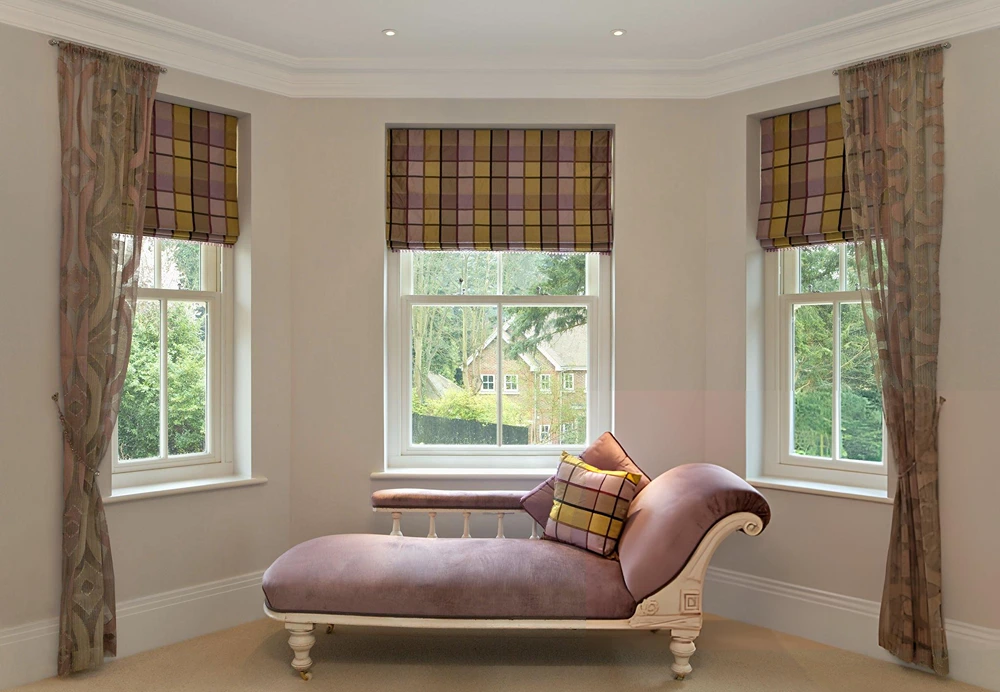
Bay Window Blinds: Stylish Choices for Every Home
Why settle for conventional windows when bay windows provide a stunning focal point for any room? The right blinds can transform these architectural gems, adding both style and functionality. Whether you prefer the precise light control of Venetian blinds or the rustic charm of plantation shutters, selecting the perfect blinds can enhance your home’s aesthetics significantly. Venetian blinds are known for their versatility and ability to provide excellent light control, making them a popular choice for many homeowners. selecting the perfect blinds can enhance your home’s aesthetics significantly. This article explores the best choices for bay window blinds, ensuring you make an informed decision that suits your needs and complements your home. Ready to elevate your space with stylish window treatments? Keep reading to discover your ideal solution.

Choosing the Best Bay Window Blinds
Selecting the right blinds for bay windows is essential for enhancing both aesthetics and functionality. Bay windows, with their unique shape and angles, require blinds that can handle light control effectively while blending seamlessly with the interior decor. The right choice will not only complement the room’s design but also provide privacy and insulation, making the space more comfortable and energy-efficient.
- Venetian Blinds: Featuring horizontal slats, these are the most popular choice for bay windows. When comparing vertical blinds vs venetian blinds, it’s essential to consider the specific needs of your bay window. Each type offers unique benefits, with vertical blinds being ideal for larger, floor-to-ceiling windows, while Venetian blinds provide precise light control and a sleek appearance. Understanding the differences can help you choose the right option for your bay window, ensuring both style and functionality. Venetian blinds offer precise light control and a sleek appearance, making them a versatile option for various interior styles. They can be drawn up and down and adjusted to control light precisely.
- Roman Blinds: Offering a classic look, these blinds have a traditional fabric design that folds neatly when raised, adding a touch of elegance to any room.
- Plantation Shutters: Bringing old countryside charm, modern versions allow slat angle adjustments for better light control and are highly durable.
- Pleated Blinds: Compact and practical, these blinds fold in on themselves when undrawn, making them ideal for spaces with limited room.
- Vertical Blinds: Low-maintenance and perfect for larger, floor-to-ceiling bay windows, these blinds provide excellent light control and easy operation. Vertical blinds are particularly suitable for expansive bay windows, offering a sleek and modern solution that enhances both functionality and aesthetics.
Choosing the best bay window blinds involves balancing style, functionality, and the unique requirements of bay windows. By considering the specific features of each type, homeowners can find the perfect solution to enhance their living spaces.
Installation Guide for Bay Window Blinds
Installing blinds on bay windows presents unique challenges due to their limited space, sharp window angles, and unusual shapes. These characteristics make it difficult to achieve a snug fit, requiring precise measurements and careful handling. Ensuring that blinds do not catch at the angles where windows meet is crucial for both functionality and aesthetics.
To tackle these challenges, gather essential tools including a measuring tape, screwdriver, pencil, electric or cordless drill, level, and ladder. These tools will help you take accurate measurements and ensure that the blinds are installed securely. Wooden battens can be particularly helpful for proper head rail mounting and adjustment, providing a stable base.
- Gather essential tools.
- Measure width, height, and depth.
- Consider obstructions like air vents and handles. This is similar to the considerations needed when installing blinds for sliding doors, where precise measurements and careful handling are essential to ensure a perfect fit. Proper installation not only enhances the functionality of the blinds but also contributes to the overall aesthetic appeal of the space.
- Use cardboard cutouts for precision.
- Mount wooden battens for head rails.
- Adjust as necessary for a snug fit.
When measuring, always take the width from left to right at the widest points on each side, the height from the top to the bottom, and the depth from the top of angled areas using a tape ruler. Consider obstructions like air vents and handles that could affect the fit. Using cardboard cutouts can help you visualise and ensure precision. Finally, mount wooden battens for head rails and make adjustments as necessary to achieve a perfect fit. By following these steps, you can successfully install blinds on bay windows, enhancing both their appearance and functionality.

Design Ideas for Bay Window Blinds
Bay windows enhance a room by allowing more sunlight to enter, creating a bright and airy ambiance. Their unique structure can serve as a focal point, making the right choice of window dressings crucial. Incorporating stylish bay window blinds not only complements the interior design but also provides essential light control and privacy.
- Wooden Venetian Blinds for a classic look. Wooden blinds add a touch of natural elegance to any room, offering warmth and timeless appeal. They are particularly effective in bay windows, where their rich texture and color can enhance the architectural beauty of the space while providing excellent light control.
- Roman Blinds for elegance and warmth.
- Roller Blinds for modern simplicity. When choosing the perfect roller blinds, it’s important to consider both functionality and design. Roller blinds are a versatile choice for bay windows, offering a clean, streamlined look that complements contemporary interiors. Their simplicity and ease of use make them a popular option for those looking to enhance their living space with minimal effort. Roller blinds are an excellent choice for bay windows, offering a clean, streamlined look that complements contemporary interiors while providing effective light control.
- Plantation Shutters for rustic charm.
- Perfect Fit Blinds for a sleek, no-drill option.
These design ideas can transform a space by adding both aesthetic appeal and functional benefits. Wooden Venetian blinds, for instance, offer versatility with light control, ranging from total light saturation to complete darkness. Roman blinds bring sophistication with their soft fabric, warming the space. Roller blinds combine beauty and function, fitting seamlessly into modern interiors. Plantation shutters add rustic charm, while Perfect Fit blinds provide a sleek, no-drill option, ensuring a neat and tidy installation.
Cost Considerations for Bay Window Blinds
When selecting bay window blinds, understanding the cost factors is crucial. The price of blinds can vary significantly based on the material, size, and customisation options. Roller blinds are generally the most cost-effective, making them a popular choice for budget-conscious homeowners. In contrast, Roman blinds, with their intricate fabric designs, tend to be more expensive. Custom options like Perfect Fit blinds and plantation shutters often come with a higher price tag due to their custom-fit and high-quality materials.
Here’s a summary of the cost ranges for various types of bay window blinds:
| Type of Blind | Cost Range |
|---|---|
| Roller Blinds | £20 – £100 |
| Roman Blinds | £50 – £200 |
| Perfect Fit Blinds | £50 – £150 |
| Plantation Shutters | £100 – £300 |
| Vertical Blinds | £30 – £120 |
Understanding these cost considerations will help in making an informed decision, balancing both aesthetics and budget.
Custom and Ready-Made Bay Window Blinds
Custom fitting is crucial for bay window blinds to ensure they do not catch at the angles where the windows meet. Bay windows often have unique dimensions and angles, making it challenging to find ready-made solutions that fit perfectly. Custom-made blinds are designed to match these specific measurements, providing a seamless fit that enhances both aesthetics and functionality. This precise fitting prevents gaps that could compromise privacy and light control, ensuring a polished and professional look.
- Custom-made blinds ensure a perfect fit.
- Ready-made blinds are more affordable.
- Custom options can match unique decor styles.
- Ready-made blinds are readily available.
- Custom blinds offer greater material and design choices.
Ready-made blinds from retailers like IKEA and Dunelm offer convenience and affordability, making them a popular choice for many homeowners. These blinds are readily available and can be installed quickly, providing an immediate solution. However, bespoke options provide a tailored fit and can be made to match specific decor styles, offering greater material and design choices. Whether you opt for custom or ready-made blinds, both types can be found at local home improvement stores or online retailers, ensuring you have access to a wide range of options to suit your needs.

Final Words
Finding the perfect bay window blinds enhances home aesthetics and provides functional benefits. The article explored different types, installation guides, design ideas, cost considerations, and the choice between custom and ready-made options.
Bay window blinds are important for light control, privacy, and child safety. Suitable styles include Venetian, Roman, plantation shutters, and more.
Understanding the installation process ensures a precise fit, and considering costs helps balance budget and style.
For tailored solutions, custom blinds offer the best fit and design flexibility. Ready-made blinds are convenient and budget-friendly, available from various retailers.
FAQ
What blinds work best for a bay window?
Venetian blinds are popular due to their adjustability and modern look. Roman blinds offer a classic aesthetic, while plantation shutters provide charm. Pleated blinds are compact and practical, and vertical blinds suit larger windows.
Can you put blinds in a bay window?
Yes, blinds can be fitted in a bay window. Custom measurements are usually required for precise fitting and to avoid obstructions. Both custom and ready-made options are available.
What blinds are best for curved bay windows?
Pleated blinds and vertical blinds are effective for curved bay windows due to their flexibility and ability to cover irregular shapes. Custom-made options are recommended for a better fit.
What looks best on a bay window?
Plantation shutters and Roman blinds look particularly elegant on bay windows. Wooden Venetian blinds provide a classic look, while roller blinds offer modern simplicity.
How much do bay window blinds cost?
Bay window blinds range from £20 to £300, depending on type, material, and customisation. Roller blinds are the most affordable, while plantation shutters tend to be the most expensive.
Are custom bay window blinds better than ready-made ones?
Custom blinds offer a perfect fit and can be tailored to specific decor styles, but they are more expensive. Ready-made blinds are more affordable and readily available but may lack precise fitting.
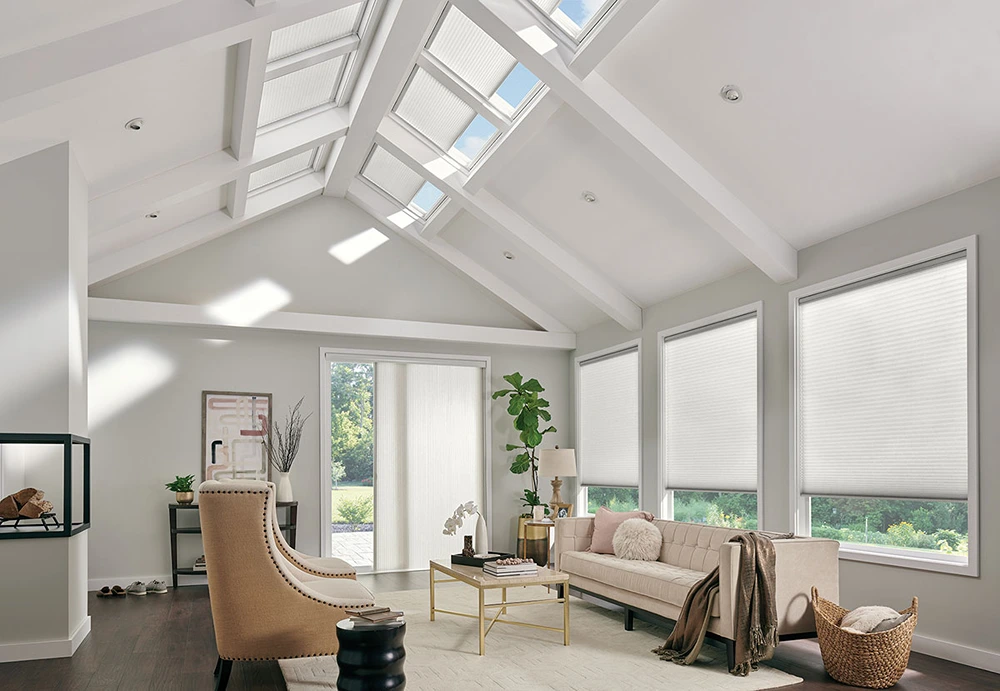
Smart Blinds: Enhance Your Home’s Efficiency
Is your home as efficient as it could be? Smart blinds provide a game-changing way to enhance your living space. Integrating seamlessly with systems like Alexa, Google Assistant, and Apple HomeKit, these automated window coverings offer unparalleled convenience. Imagine controlling light, temperature, and privacy effortlessly, all while boosting your home’s energy efficiency. Additionally, for families with young children, child-safe blinds are an essential consideration. These blinds are designed to eliminate cords and other hazards, ensuring a safe environment for your little ones while still providing the same smart features and energy efficiency. This article explores the features and benefits of smart blinds, showing why they are not just a luxury but a smart investment for any modern home. Dive in to see how they can transform your daily life.

Understanding Smart Blinds: Features and Benefits
Smart blinds are automated window coverings that can be controlled remotely or integrated with smart home systems like Alexa, Google Assistant, and Apple HomeKit. These advanced blinds offer the convenience of adjusting window treatments without manual effort. Users can operate them using smartphones, tablets, or voice commands, making them an excellent addition to modern homes.
Key features of smart blinds include remote control, voice activation, automation schedules, light and temperature sensors, and energy-saving modes. Remote control allows users to adjust the blinds from anywhere, while voice activation provides hands-free operation. Automation schedules enable the blinds to open and close at specific times, enhancing convenience and security. Light and temperature sensors help in maintaining optimal indoor conditions by adjusting the blinds based on environmental changes. Energy-saving modes contribute to reducing energy consumption by controlling the amount of sunlight entering the room. For those looking to further reduce their environmental impact, eco-friendly blinds offer a sustainable option. These blinds are made from environmentally friendly materials and designed to enhance energy efficiency, making them a perfect choice for the eco-conscious homeowner.
- Increased home security: Automated schedules can make it appear as though someone is home even when the house is empty.
- Improved energy efficiency: Adjusting blinds based on light and temperature sensors can help regulate indoor temperatures, reducing the need for heating or cooling.
- Enhanced privacy: Smart blinds can be programmed to close automatically at night or during specific times, ensuring privacy without manual intervention. For those particularly concerned about privacy, exploring the best blinds for privacy can provide additional insights and options tailored to your needs.
- Convenience: Remote control and voice activation eliminate the need for manual adjustment, making it easy to manage window coverings.
- Integration with smart home systems: Seamless integration with other smart devices creates a cohesive and automated home environment.
These features and benefits significantly improve the quality of life by providing convenience, enhancing security, and offering energy-saving capabilities. Smart blinds are a practical and modern solution for managing natural light and privacy in any home.
Types of Smart Blinds: Which One Is Right for You?
Selecting the right type of smart blind is crucial for enhancing your home’s efficiency and aesthetics. Each type of smart blind offers distinct features, making them suitable for different needs and preferences.
Motorized Roller Blinds
Motorized roller blinds provide a sleek, modern look, making them ideal for contemporary interiors. These blinds are easy to integrate with smart home systems like Alexa, Google Assistant, and Apple HomeKit. They can be operated via remote control, smartphone apps, or voice commands. Customisation options include various fabrics, such as blackout materials for complete light exclusion, and automation schedules for added convenience.
Smart Shades
Smart shades are similar to motorized roller blinds but offer different fabric options and additional functionalities. These shades can be controlled remotely and often come with light and temperature sensors, which automatically adjust based on environmental conditions. Their versatility in fabric choices allows for better light diffusion and enhanced privacy. Smart shades are perfect for those looking to combine functionality with a softer, more traditional aesthetic.
Motorized Venetian Blinds
Motorized Venetian blinds provide excellent control over light and privacy. Unlike roller blinds and shades, these blinds have adjustable slats that can be tilted to manage the amount of light entering the room. They are also compatible with smart home systems, enabling remote control and automation. Motorized Venetian blinds are ideal for spaces where precise light control is essential, such as home offices or living rooms.
| Type of Smart Blind | Key Features | Best For |
|---|---|---|
| Motorized Roller Blinds | Integration with smart home systems, various fabric options, remote control | Modern interiors, minimalistic design |
| Smart Shades | Light and temperature sensors, remote control, versatile fabrics | Traditional aesthetics, enhanced privacy |
| Motorized Venetian Blinds | Adjustable slats, precise light control, smart home compatibility | Home offices, living rooms |

Integrating Smart Blinds with Your Smart Home System
Integrating smart blinds with your smart home system is a straightforward process that enhances convenience and control. Smart blinds can be connected to various systems like Alexa, Google Assistant, and Apple HomeKit. These integrations allow users to control their blinds via voice commands, smartphone apps, and even automated schedules. To start, ensure your smart blinds are compatible with your chosen smart home system. Once confirmed, follow the provided instructions to link the blinds to your smart home hub.
- Download the required app: Install the relevant app (e.g., Alexa, Google Home, or Apple Home) on your smartphone.
- Add the device: Open the app and add a new device, selecting your smart blinds from the list.
- Follow setup instructions: Adhere to the on-screen prompts to complete the integration process.
- Test the functionality: Use voice commands or the app to check if the blinds are responding correctly.
- Create automation schedules: Set up schedules within the app to automate the opening and closing of the blinds based on your preferences.
Integrating smart blinds into your smart home system offers numerous benefits. It enables cohesive automation, allowing all smart devices to work together seamlessly. Voice commands via Alexa, Google Home, or Apple HomeKit provide hands-free control, enhancing user convenience. Additionally, automation schedules can improve home security by simulating occupancy when you’re away, and optimise energy efficiency by adjusting blinds based on the time of day.
Smart Blinds Installation: DIY vs Professional
DIY installation of smart blinds is a viable option for many homeowners. Detailed guides and video tutorials are readily available from manufacturers, making the process accessible for those with basic DIY skills. These resources typically cover everything from measuring your windows to programming the smart hub, ensuring that you can achieve a successful installation without professional help. For those who enjoy tackling home improvement projects, DIY installation offers the satisfaction of completing the task independently.
- Pros of DIY Installation:
- Cost savings: Eliminates the expense of hiring a professional.
- Flexibility: Allows you to install at your own pace.
- Learning experience: Gain knowledge and skills in home automation.
- Immediate results: No need to wait for an appointment.
- Sense of accomplishment: Completing the project yourself can be rewarding.
- Cons of DIY Installation:
- Time-consuming: May take longer than professional installation.
- Skill requirement: Basic DIY skills and tools are needed.
- Potential errors: Incorrect installation can lead to malfunction.
- Limited support: May lack the expertise of professional installers.
- Warranty issues: Incorrect installation could void warranties.
Professional installation, on the other hand, ensures that your smart blinds are set up correctly and efficiently. Professional installers have the expertise to handle complex installations, especially for larger window treatments or intricate automation setups. While this option comes at an additional cost, it guarantees proper alignment, seamless integration with your smart home system, and optimal performance. Professional installation also provides peace of mind, knowing that any potential issues can be addressed by experts, and often includes a warranty on the service.

Cost of Smart Blinds: What to Expect
The cost of smart blinds varies widely, typically ranging from £150 to £400 per window. Several factors influence this price range, including the type of blind, the automation features, and the installation requirements. Motorised roller blinds and smart shades, which offer basic automated functionalities, usually fall on the lower end of the spectrum. In contrast, more advanced options like motorised Venetian blinds with light and temperature sensors may cost more. Installation costs also affect the overall price, especially if professional setup is required.
| Type of Smart Blind | Average Cost | Features Included |
|---|---|---|
| Motorised Roller Blinds | £150 – £250 | Basic automation, remote control |
| Smart Shades | £200 – £350 | Remote control, light sensors |
| Motorised Venetian Blinds | £300 – £400 | Advanced automation, light and temperature sensors |
Affordable options are available for those with budget constraints, though they may come with fewer features. To find cost-effective smart blinds, consider prioritising essential functionalities over advanced features. Look for sales or discounts from reputable retailers, and evaluate DIY installation to save on professional setup costs. By carefully selecting the features that matter most, you can achieve a balance between affordability and functionality.
User Reviews and Common Issues with Smart Blinds
User reviews for smart blinds often highlight their ease of use, seamless integration with smart home systems, and energy-saving capabilities. Many users appreciate the convenience of being able to control their blinds remotely via smartphone apps or voice commands. The ability to automate blinds based on schedules or environmental conditions is also frequently mentioned as a significant advantage. Overall, the general sentiment is positive, with many users finding smart blinds to be a valuable addition to their homes.
- Ease of Use: Simple installation and user-friendly controls.
- Integration: Compatibility with smart home systems like Alexa, Google Assistant, and Apple HomeKit.
- Energy Savings: Automated adjustments help in reducing energy consumption.
- Convenience: Remote control and app functionality make operation effortless.
- Customisation: Various fabric and design options to suit different aesthetics.
Despite the positive feedback, some common issues are also noted by users. The high cost of smart blinds is a frequent complaint, as the initial investment can be substantial. Additionally, some users experience occasional connectivity issues, where the blinds fail to respond to commands or lose sync with the smart home system. These problems, although not widespread, can be frustrating and affect the overall user experience.
To address these issues, users can take several steps. Ensuring a stable and strong Wi-Fi connection can mitigate many connectivity problems. Regularly updating the smart blinds app and firmware can also help maintain optimal performance. For those concerned about cost, looking for sales or opting for DIY installation can reduce expenses. By staying proactive and informed, users can enjoy the benefits of smart blinds while minimising potential drawbacks.

Final Words
Exploring smart blinds uncovers their functionality and numerous benefits. Smart blinds enhance home aesthetics, security, and energy efficiency. With types ranging from motorised roller blinds to smart venetian blinds, there’s a solution for every need.
Integrating smart blinds with existing systems like Alexa or Google Assistant further elevates convenience. Considering DIY versus professional installation helps decide the best approach. While the cost varies, affordable smart blinds options exist.
Smart blinds offer seamless control and integration, making them a valuable addition to any modern home.
FAQ
What do smart blinds do?
Smart blinds are automated window coverings that can be controlled remotely. They offer features like voice activation, automation schedules, and integration with smart home systems, enhancing convenience and energy efficiency.
How expensive are smart blinds?
Smart blinds typically range from £150 to £400 per window. The cost depends on the brand, features, and size. Affordable options are available but may offer fewer features.
Can Alexa close your blinds?
Yes, Alexa can close your blinds. By integrating smart blinds with Alexa, you can control them using voice commands for added convenience.
How to turn blinds into smart blinds?
To turn regular blinds into smart blinds, you can install a smart blind motor or retrofit kit. These devices allow remote control and integration with smart home systems.
What are the best smart blinds?
The best smart blinds depend on your needs. Popular options include brands like IKEA, which are affordable, and premium brands like Lutron, known for advanced features and reliability.
How do smart blinds integrate with Google Home?
Smart blinds can be integrated with Google Home by connecting them through a compatible smart home hub or directly via the Google Home app, enabling voice control and automation.
Are there smart blinds compatible with Apple HomeKit?
Yes, smart blinds compatible with Apple HomeKit are available. Brands like Lutron and Somfy offer products that easily integrate with HomeKit for seamless control.
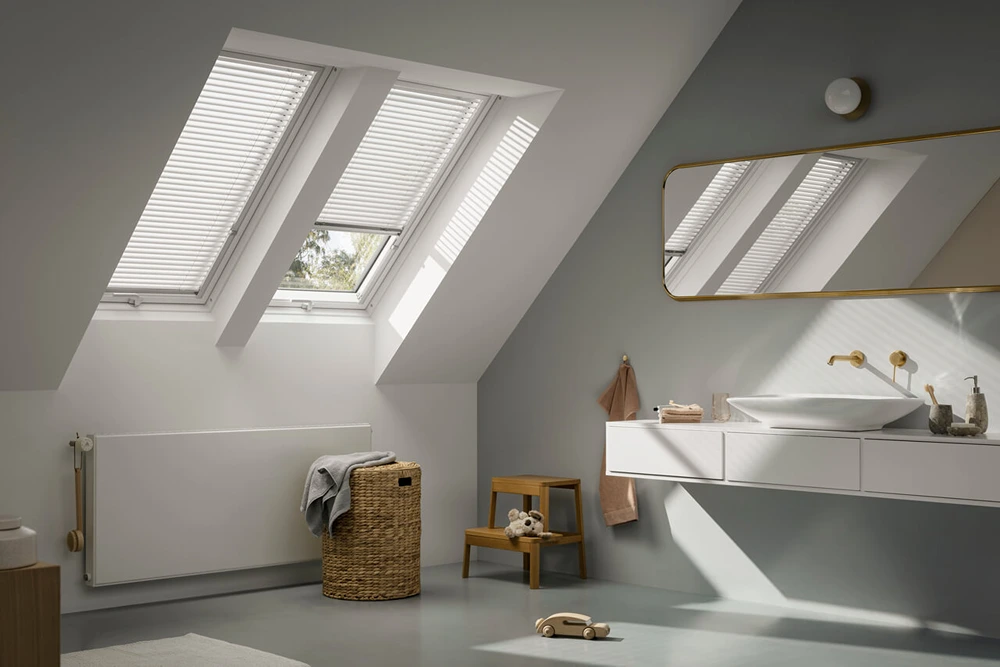
Top 5 Benefits of Velux® Blinds for Your Skylights
Skylights are a fantastic way to bring natural light into your home, but controlling that light can be a challenge. That’s where Velux® blinds come in. Designed specifically for Velux® skylights, these blinds for skylights offer a range of benefits that enhance both the functionality and aesthetics of your home. Skylights can transform a room by flooding it with natural light, but without the right blinds, they can also lead to issues like excessive glare or heat loss. By choosing blinds specifically made for skylights, you ensure a perfect fit and optimal performance, making them a wise investment for any home with skylights. In this post, we’ll explore the top 5 benefits of Velux® blinds for your skylights and why they are a smart investment.
1. Perfect Fit and Seamless Integration
One of the standout features of Velux® blinds is their perfect fit. Unlike generic blinds, Velux® blinds are designed specifically for Velux® skylights, ensuring a seamless and precise fit. This means no gaps for light to seep through and a clean, streamlined appearance that complements the design of your skylight.
2. Enhanced Light Control
Skylights are great for flooding your space with natural light, but sometimes you need to control that light. Velux® blinds offer excellent light control, allowing you to easily adjust the amount of light entering your room. Whether you want to reduce glare, block out sunlight for better sleep, or create a cozy atmosphere, Velux® blinds give you the flexibility to manage light levels to suit your needs.

3. Improved Energy Efficiency
Skylights can sometimes lead to increased heat gain in the summer and heat loss in the winter. Velux® blinds help to improve your home’s energy efficiency by providing an additional layer of insulation. By reducing heat transfer through your skylights, these energy-efficient blinds can help keep your home cooler in the summer and warmer in the winter, ultimately lowering your energy bills. Energy efficiency is a crucial consideration for any homeowner looking to reduce their carbon footprint and save on utility costs. These blinds not only provide comfort but also contribute to a more sustainable living environment.
4. Stylish Design Options
Velux® blinds are available in a variety of styles, colors, and materials, allowing you to choose the perfect option to match your interior décor. Whether you prefer sleek and modern designs or something more traditional, Velux® blinds offer a range of options that enhance the overall look of your room. For instance, roman blinds can add a touch of elegance and sophistication to your space, blending style with practicality. The versatility of roman blinds makes them a popular choice for various interior designs, ensuring you find the perfect match for your home. From blackout blinds for total darkness to pleated blinds for a soft, diffused light, there’s a style for every preference.
5. Easy Operation and Automation
Velux® blinds are designed for convenience, offering both manual and motorized operation options. With motorized Velux® blinds, you can easily control your blinds with the touch of a button or even automate them with a smart home system. This makes adjusting your skylight blinds effortless, especially for hard-to-reach windows. Motorized blinds also add a touch of luxury to your home, enhancing your living experience.

FAQs About Velux® Blinds
1. Can Velux® blinds be installed on any skylight?
No, Velux® blinds are specifically designed for Velux® skylights. If you have a Velux® skylight, these blinds will provide the best fit and functionality. For other skylight brands, you may need to look for compatible blinds. Similarly, if you’re considering window treatments for other parts of your home, such as blinds for french doors, it’s essential to choose options that provide both functionality and aesthetic appeal. Blinds for French doors can enhance privacy while allowing you to control the amount of natural light entering your space, making them a versatile addition to any room.
2. Do Velux® blackout blinds completely block out light?
Yes, Velux® blackout blinds are designed to block out 99% of incoming light, making them ideal for bedrooms or any room where you need total darkness. They’re perfect for ensuring a restful night’s sleep or for creating a dark environment during the day.
3. Are Velux® blinds easy to install?
Yes, Velux® blinds are designed for easy installation. They come with a simple installation system that allows you to fit them yourself without the need for professional help. Velux® provides detailed instructions to guide you through the process.
4. How do Velux® blinds compare to other types of blinds in terms of durability?
Velux® blinds are known for their high quality and durability. Made from robust materials and designed to withstand frequent use, they offer long-lasting performance. Similarly, wooden blinds are known for their durability and timeless appeal. The sturdy construction of wooden blinds ensures they remain a reliable and stylish choice for years to come, making them an excellent investment for any home. The motorized versions also have reliable mechanisms that ensure smooth operation over time.
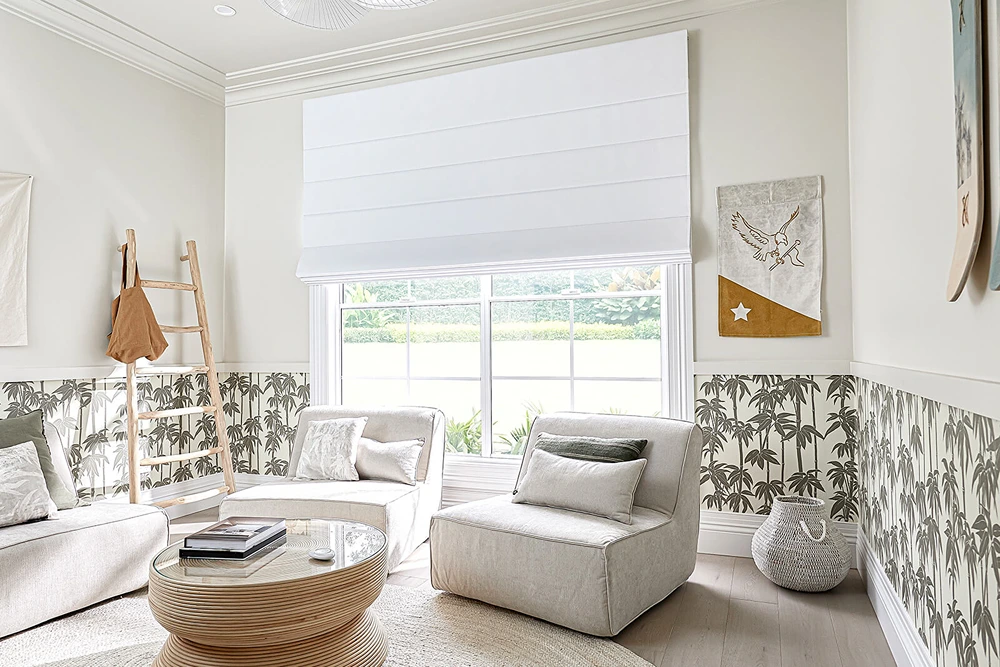
Roman Blinds: The Perfect Blend of Style and Practicality
Roman blinds are a timeless window treatment that seamlessly combines style and practicality. Known for their elegant, soft folds, Roman blinds add a touch of sophistication to any room while offering excellent light control and privacy. Whether you’re looking to create a cozy atmosphere in your living room or add a touch of luxury to your bedroom, Roman blinds are the perfect choice. In this guide, we’ll explore the benefits of Roman blinds and why they remain a popular option for homeowners.

Why Choose Roman Blinds?
- Elegant Design
Roman blinds are distinguished by their smooth, fabric folds that create a clean and refined look when raised. When lowered, they lie flat against the window, offering a sleek and tailored appearance. This versatility makes Roman blinds suitable for various interior styles, from classic to contemporary. For those with skylights, velux blinds for skylights offer a similar blend of style and functionality, ensuring that even the most unique window shapes are covered with elegance. - Wide Range of Fabrics
One of the main advantages of Roman blinds is the variety of fabrics available. From luxurious velvets to crisp linens, Roman blinds can be customized to match your décor perfectly. Similarly, wood blinds offer a timeless elegance that can complement both traditional and modern interiors, providing a natural and warm aesthetic. You can also choose from different patterns, colors, and textures to create a look that complements your space. - Excellent Light Control
Roman blinds offer superior light control, allowing you to adjust the amount of natural light entering your room. Whether you prefer a soft, diffused glow or need complete darkness, Roman blinds can be lined with blackout fabric to suit your needs. For those seeking optimal sleep quality, blackout blinds are an excellent choice, as they completely block out light, ensuring a restful and uninterrupted sleep. This makes them ideal for bedrooms, living rooms, and home offices. - Energy Efficiency
Roman blinds can help improve your home’s energy efficiency by providing an extra layer of insulation. The thick fabric and lining options help retain heat during the winter and block out heat during the summer, reducing your energy bills and keeping your home comfortable year-round. - Space-Saving Solution
Unlike curtains, Roman blinds take up minimal space when fully raised, making them an excellent choice for smaller rooms or windows. Their compact design allows them to fit neatly within the window frame, creating a clean and uncluttered look. For larger openings, such as French doors, blinds for french doors offer a practical and stylish solution, ensuring that even expansive glass areas are covered without compromising on aesthetics.
Customizing Roman Blinds for Your Home
Roman blinds offer endless customization options to suit your taste and requirements. For those who are looking to tailor their window treatments to fit unique window shapes or specific design preferences, custom blinds provide an excellent solution. By opting for custom blinds, homeowners can ensure that every detail, from fabric choice to fold style, aligns perfectly with their vision. This level of personalization not only enhances the aesthetic appeal of a space but also ensures that the blinds function optimally in any setting. Here are some key considerations when choosing Roman blinds:
- Fabric Type
Choose a fabric that complements your room’s style and provides the desired level of light control. Lighter fabrics like cotton and linen create a soft, airy look, while heavier fabrics like velvet or brocade add a luxurious feel. - Lining Options
Depending on the room and its purpose, you can choose from different lining options for your Roman blinds. Blackout lining is ideal for bedrooms to block out light, while thermal lining enhances insulation. Alternatively, a standard lining can offer a balance of light control and insulation. - Style of Folds
Roman blinds come in various fold styles, such as flat, hobbled, or relaxed. Flat folds create a smooth, clean look, while hobbled folds add depth and dimension. Relaxed Roman blinds have a softer, more casual appearance, making them perfect for informal spaces. - Operating Mechanism
Roman blinds can be operated manually with a cord or chain or motorized for added convenience. Motorized Roman blinds are ideal for hard-to-reach windows or for homeowners who prefer the ease of remote control operation.

FAQs About Roman Blinds
1. Are Roman blinds suitable for all rooms?
Yes, Roman blinds are versatile and can be used in any room, including bedrooms, living rooms, kitchens, and bathrooms. They offer excellent light control and can be customized with various fabrics and linings to suit each room’s specific needs.
2. How do I clean Roman blinds?
Cleaning Roman blinds is simple. Regular dusting with a vacuum cleaner attachment can help keep them looking fresh. For deeper cleaning, you may need to spot-clean the fabric with a mild detergent or take them to a professional cleaner, especially if they are made from delicate materials.
3. Can Roman blinds be made with blackout fabric?
Yes, Roman blinds can be lined with blackout fabric, making them an ideal choice for bedrooms or any room where you need to block out light. Blackout Roman blinds offer both style and functionality, ensuring a good night’s sleep and privacy.
4. How do Roman blinds compare to other types of blinds in terms of energy efficiency?
Roman blinds can be more energy-efficient than other blinds due to their thick fabric and lining options. The additional layers help insulate windows, reducing heat loss in winter and preventing heat gain in summer, which can contribute to lower energy bills.

Why Wood Blinds Add Timeless Elegance to Your Home
Wood blinds have long been a popular choice for homeowners who want to add a touch of timeless elegance to their interiors. The allure of wooden blinds lies in their ability to seamlessly blend with various interior styles, from rustic to contemporary. Their natural texture and warm tones create a cozy yet sophisticated atmosphere, making them a versatile addition to any room. Whether you're aiming for a minimalist look or a more traditional setting, wooden blinds offer the perfect balance of style and functionality, enhancing the overall aesthetic of your home. Wooden blinds are known for their durability and aesthetic appeal, making them a versatile choice for various home settings. Whether you are looking to enhance a modern or traditional space, wooden blinds offer a unique blend of style and functionality. These blinds combine natural beauty with functionality, offering a classic appeal that enhances the aesthetic of any room. In this post, we’ll explore the reasons why wood blinds are a fantastic addition to your home and how they can transform your living spaces.

The Timeless Appeal of Wood Blinds
Wood blinds bring the warmth and richness of natural wood into your home. Unlike synthetic materials, wood has a unique texture and grain that adds character to your windows. Whether you prefer a light, natural finish or a dark, rich stain, wood blinds offer a variety of options to suit your décor. Venetian blinds, in particular, provide a sleek and modern look that can be customized to match any interior design style. They are an excellent choice for those who want to combine functionality with aesthetic appeal.
- Natural Beauty
The natural beauty of wood blinds lies in their organic texture and warm tones. Each slat is unique, with its own grain pattern and color variation, making wood blinds a one-of-a-kind addition to your home. Whether you choose light oak, deep walnut, or classic cherry, wood blinds provide a sophisticated look that never goes out of style. - Versatile Design
Wood blinds are versatile and can complement both traditional and contemporary interiors. Their timeless design works well in various settings, from rustic to modern. Similarly, roman blinds offer a perfect blend of style and practicality, making them a versatile choice for any home. Roman blinds can be tailored to fit your specific needs, providing both aesthetic appeal and functional benefits. They can be customized to match your existing décor, with a range of finishes, stains, and paints available to suit any style. - Durability and Longevity
Made from high-quality materials, wood blinds are built to last. They are more durable than many synthetic alternatives and can withstand daily use without warping or fading. Properly cared for, wood blinds can maintain their beauty for years, making them a smart investment in your home’s interior design. - Enhanced Insulation
In addition to their aesthetic appeal, wood blinds offer practical benefits such as improved insulation. The natural properties of wood help to regulate temperature by providing an extra layer of insulation to your windows. This can help keep your home cooler in the summer and warmer in the winter, contributing to energy efficiency. - Light Control and Privacy
Wood blinds offer excellent light control and privacy. The adjustable slats allow you to control the amount of light entering your room, creating the perfect ambiance. When closed, the slats provide complete privacy, making wood blinds an ideal choice for bedrooms and living rooms. For those who prioritize sleep quality, blackout blinds are an excellent alternative. They block out all light, ensuring a restful and uninterrupted sleep environment. - Eco-Friendly Choice
Many wood blinds are made from sustainable materials, making them an eco-friendly option for environmentally conscious homeowners. By choosing wood blinds from responsibly sourced wood, you can enjoy the beauty of nature while supporting sustainable practices.

Where to Use Wood Blinds
Wood blinds are a versatile window treatment that can be used in various rooms throughout your home:
- Living Rooms: Add warmth and sophistication to your living space with wood blinds that complement your furniture and décor. Additionally, blinds for French doors can enhance the elegance of your living room by providing a seamless transition between indoor and outdoor spaces. They offer both aesthetic appeal and functional benefits, making them a popular choice for modern homes.
- Bedrooms: Enjoy enhanced privacy and light control with wood blinds, creating a serene environment for relaxation and sleep.
- Home Offices: Create a professional and polished look in your home office with the timeless appeal of wood blinds.
- Dining Rooms: Elevate your dining area with the rich, natural texture of wood blinds, providing a stylish backdrop for family gatherings and entertaining guests.
FAQs About Wood Blinds
1. Are wood blinds suitable for humid areas like kitchens and bathrooms?
While wood blinds are durable and stylish, they may not be the best choice for high-humidity areas like kitchens and bathrooms. Moisture can cause the wood to warp over time. For these areas, consider faux wood blinds that offer the same look without the risk of damage.
2. How do I clean and maintain wood blinds?
Cleaning wood blinds is easy. Regular dusting with a soft cloth or a vacuum cleaner with a brush attachment will keep them looking fresh. Avoid using water or harsh chemicals, as these can damage the wood. For deeper cleaning, use a wood-safe cleaner and gently wipe down the slats.
3. Can wood blinds be custom-sized for my windows?
Yes, wood blinds can be custom-made to fit any window size. Whether you have large picture windows or smaller ones, you can have wood blinds tailored to your exact measurements for a perfect fit
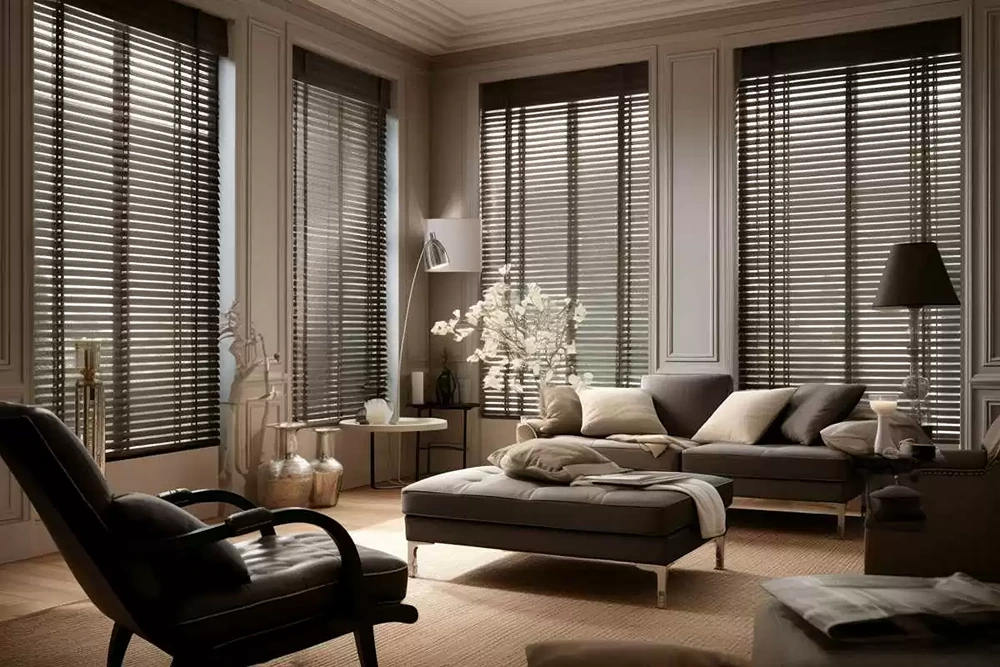
Vertical Blinds vs. Venetian Blinds: Which is Best for Your Space?
When it comes to choosing window treatments, two popular options often come to mind: vertical blinds and Venetian blinds. Both offer unique benefits and can enhance the functionality and aesthetics of your home. But which is best for your space? In this guide, we’ll compare the features, advantages, and ideal uses of vertical blinds and Venetian blinds to help you make an informed decision.
What Are Vertical Blinds?
Vertical blinds consist of vertical slats that can be tilted to control light and privacy or drawn completely to the side to let in full sunlight. These blinds are commonly used for large windows, sliding glass doors, and patio doors. However, if you have skylights, you might want to consider velux blinds for skylights. Velux blinds are specifically designed to fit skylight windows, providing excellent light control and insulation. They can be a perfect addition to your home, especially if you want to maximize natural light while maintaining privacy. Available in various materials such as fabric, PVC, and aluminum, vertical blinds offer a sleek, modern look and are especially popular in contemporary homes.

What Are Venetian Blinds?
Venetian blinds are horizontal slatted blinds that can be tilted, raised, or lowered to control light and privacy. The slats are typically made from materials like wood, aluminum, or PVC. If you are considering a more natural and timeless look, wood blinds might be the perfect choice. Wood blinds add a touch of elegance and warmth to any room, making them a popular option for homeowners who appreciate classic and durable window treatments. Venetian blinds are versatile and can be used in various rooms, offering a classic and timeless design that suits both traditional and modern interiors. For those looking for a blend of style and practicality, roman blinds are another excellent option. Roman blinds offer a soft, elegant look and can be customized with different fabrics and patterns to match your interior decor.
Key Differences Between Vertical and Venetian Blinds
- Design and Aesthetics
- Vertical Blinds: These blinds have a sleek, linear design that works well with large windows and doors. They create a clean, modern look and can make a room appear taller.
- Venetian Blinds: Venetian blinds offer a more traditional appearance with horizontal slats. They are versatile and can be customized to fit different interior styles, from rustic to contemporary.
- Light Control
- Vertical Blinds: Vertical blinds provide excellent light control, allowing you to tilt the slats to adjust the amount of light entering the room. They are particularly effective at blocking light from large windows and doors. For those who need complete darkness, especially in bedrooms, blackout blinds are an excellent option. Blackout blinds are designed to block out nearly all light, helping to improve sleep quality and providing a comfortable environment for rest. They are available in various styles and materials to suit your decor needs.
- Venetian Blinds: Venetian blinds also offer great light control, with the ability to tilt the slats to allow in as much or as little light as you desire. Their design is ideal for precise light adjustment in smaller windows.
- Privacy
- Vertical Blinds: Vertical blinds offer good privacy control, especially when fully closed. However, slight gaps between the slats may still allow some visibility.
- Venetian Blinds: Venetian blinds provide excellent privacy when fully closed, making them a better choice for rooms where privacy is a top priority.
- Ease of Cleaning and Maintenance
- Vertical Blinds: Vertical blinds are relatively easy to clean, especially if made from materials like PVC or aluminum. Dust can be wiped off with a cloth, and fabric slats can be vacuumed.
- Venetian Blinds: Venetian blinds may require more frequent cleaning due to horizontal slats that can collect dust. However, they are still easy to maintain with regular dusting or a vacuum attachment.
- Space Considerations
- Vertical Blinds: Vertical blinds are ideal for large windows and sliding doors, as they can be drawn to the side to allow easy access and unobstructed views. If you have French doors, you might want to explore blinds for French doors. These blinds are designed to fit the unique dimensions of French doors, providing both functionality and style while allowing you to control light and privacy effectively.
- Venetian Blinds: Venetian blinds are more suited to smaller windows and are a better choice for areas where you need precise light control and privacy.
- Durability
- Vertical Blinds: Vertical blinds are generally durable and can withstand frequent use, especially in high-traffic areas like sliding doors. However, they may be more prone to damage if the slats are not handled carefully.
- Venetian Blinds: Venetian blinds are also durable, particularly when made from materials like wood or aluminum. They are less likely to get tangled or damaged than vertical blinds.
When to Choose Vertical Blinds
- Large windows or sliding doors
- Modern, minimalist interiors
- Spaces where you need to control light and privacy for large openings
When to Choose Venetian Blinds
- Smaller windows or standard-sized windows
- Traditional, rustic, or contemporary interiors
- Rooms where precise light control and privacy are important

FAQs About Vertical and Venetian Blinds
1. Can vertical blinds be used in bedrooms?
Yes, vertical blinds can be used in bedrooms, especially for large windows or patio doors. They offer good light control and privacy, making them suitable for bedrooms with larger window areas.
2. Are Venetian blinds suitable for kitchens and bathrooms?
Yes, Venetian blinds are a great option for kitchens and bathrooms, particularly if made from moisture-resistant materials like aluminum or PVC. They offer excellent light control and can withstand the humidity in these rooms.
3. How do I clean vertical blinds?
Cleaning vertical blinds is simple. For fabric slats, you can use a vacuum cleaner with a brush attachment, while PVC or aluminum slats can be wiped down with a damp cloth. Regular maintenance will keep them looking fresh.
4. Which blinds are more energy-efficient: vertical or Venetian?
Both vertical and Venetian blinds can improve energy efficiency by controlling heat and light. However, Venetian blinds tend to offer better insulation due to their horizontal design, which traps air between the slats, providing better temperature regulation.
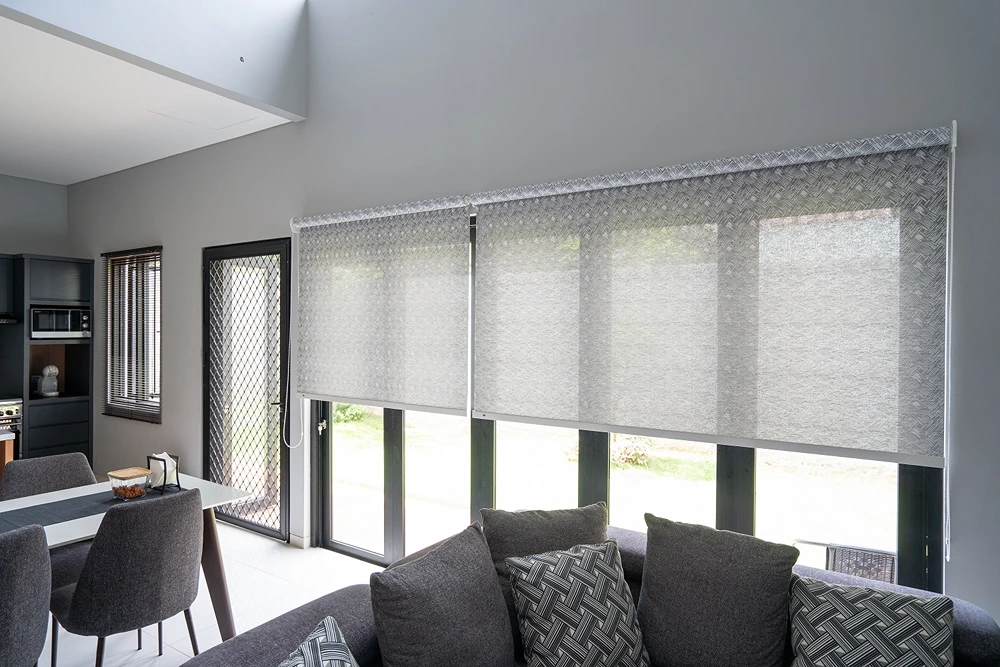
Choosing the Perfect Roller Blinds: A Guide to Functionality and Design
Roller blinds are a versatile and stylish window treatment that can enhance any room in your home. When considering window treatments, it's important to choose options that not only complement your interior design but also serve functional purposes. Roller blinds offer a sleek and modern aesthetic, making them a popular choice for those looking to update their living spaces. Their ability to blend seamlessly with various decor styles, from contemporary to traditional, makes them a versatile option for any homeowner. They offer a perfect blend of functionality and design, making them a popular choice for homeowners looking to improve both aesthetics and practicality. In this guide, we’ll explore how to choose the perfect roller blinds for your space, focusing on factors like material, light control, and design options.

Why Choose Roller Blinds?
Roller blinds are known for their sleek and minimalistic design, making them a great option for modern homes. They are easy to operate, with a simple pull mechanism that allows you to adjust the amount of light entering the room. Whether you’re looking for blackout roller blinds for your bedroom or light-filtering blinds for your living room, roller blinds offer a range of benefits:
- Space-Saving Design
Roller blinds have a compact design that fits neatly into your window frame, saving space and creating a clean, streamlined look. Unlike bulky curtains, roller blinds roll up neatly when not in use, making them an excellent choice for small or minimalist spaces. - Light Control
One of the main advantages of roller blinds is their ability to control light. Depending on the material you choose, roller blinds can either block out light completely or allow soft, diffused light to enter the room. Blackout roller blinds are ideal for bedrooms, while light-filtering fabrics work well in living areas. - Easy Maintenance
Roller blinds are easy to clean and maintain, making them a practical option for busy households. Most roller blinds can be wiped down with a damp cloth to remove dust and dirt, and some materials are even resistant to moisture and mildew, making them perfect for kitchens and bathrooms. - Variety of Styles and Materials
Roller blinds are available in a wide range of colors, patterns, and materials, allowing you to customize them to match your décor. For those who appreciate a more classic and elegant look, roman blinds offer a perfect blend of style and practicality, adding a touch of sophistication to any room. Whether you prefer bold prints, neutral tones, or textured fabrics, there’s a roller blind style that’s perfect for your home. For a timeless and elegant option, consider wood blinds, which bring a natural warmth and classic beauty to any space.

Key Considerations When Choosing Roller Blinds
When selecting roller blinds, it’s important to consider both functionality and design. Here are some key factors to keep in mind:
- Material
The material you choose will impact both the look and functionality of your roller blinds. For example, blackout roller blinds are made from thick, opaque materials that block out all light, while sheer fabrics allow light to filter through. Consider the room’s purpose when choosing the material – bedrooms may benefit from blackout options, while living areas might prefer light-filtering fabrics. - Design and Color
Roller blinds are highly customizable, so you can choose colors and patterns that complement your interior design. For a cohesive look, match the blinds with your room’s color scheme or choose a contrasting shade for a bold statement. If you prefer a more subtle design, neutral tones like white, beige, or gray are versatile and timeless. - Mounting Options
Roller blinds can be mounted inside or outside the window frame, depending on your preference. Inside mounts create a sleek, fitted look, while outside mounts can make the window appear larger and provide better light blockage. Consider the size of your windows and the effect you want to achieve when deciding on mounting options. If you’re still undecided on the type of blinds, you might find it helpful to compare vertical blinds vs venetian blinds to determine which is best suited for your space and needs. - Additional Features
Modern roller blinds come with various additional features, such as motorization, cordless options, and UV protection. For larger openings, such as patio doors, blinds for sliding doors can provide both functionality and style, ensuring smooth operation and effective light control. Motorised roller blinds offer convenience and are particularly useful for hard-to-reach windows, while cordless designs provide a cleaner look and are safer for homes with children or pets.
FAQs About Roller Blinds
1. What rooms are roller blinds best suited for?
Roller blinds are versatile and can be used in almost any room, from bedrooms and living rooms to kitchens and bathrooms. Their sleek design and variety of material options make them a practical and stylish choice for any space.
2. How do I measure for roller blinds?
To measure for roller blinds, first decide if you want an inside or outside mount. For an inside mount, measure the width and height of the window frame at three different points and use the smallest measurement. For an outside mount, measure the width and height of the area you want the blind to cover and add extra for overlap.
3. Are roller blinds easy to install?
Yes, roller blinds are relatively easy to install, especially with the right tools. Most roller blinds come with mounting brackets and instructions, making it possible for homeowners to install them without professional help. However, if you prefer, you can always hire a professional for installation.
4. Can roller blinds be motorized?
Yes, roller blinds can be motorized for added convenience. Motorised roller blinds allow you to control your window coverings with a remote or smart device, making them perfect for hard-to-reach windows or for those who want to automate their home.